Published on 23rd December 2025
L&D Workshop Planning: How Brain-Friendly Learning Supercharges Results
6-minute read
BFL is a set of practical, neuroscience-backed principles that I use every time I design or deliver leadership development workshops.
The foundations were developed by the brilliant Kimberley Hare of Kaizen Training, who I was fortunate to learn from. In true BFL style, those principles were then cemented through years of working alongside my dear friend Richard Nugent of TwentyOne Leadership—where theory met practice, day in and day out.
And today, I want to walk you through how you can do the same.
Whether you’re running internal training or designing programmes for external clients, these principles can help you turn good sessions into transformational ones.
Contents
What is Brain-Friendly Learning?
A Word of Caution on ‘The Neuroscience’
The Five Principles of Brain-Friendly Learning for L&D Workshop Planning
Principle 1 – State is Everything
Principle 3 – Facilitate Creation, Not Consumption
Principle 4 – Make it Rich and Multi-Sensory
Principle 5 – Honour Uniqueness
What is Brain-Friendly Learning?
In a nutshell, Brain-Friendly Learning is all about aligning your design and delivery with how the brain naturally learns. It taps into neuroscience to create sessions that are fun, fast-paced, and, most importantly, effective.
Most importantly, for you, it will take your L&D workshop planning to a new level in terms of its impact.
BFL environments are rich, multi-sensory, and built for genuine engagement. We’re not talking about gimmicks here – this is about reducing cognitive load, linking new information to what people already know, and creating the emotional states that help people want to learn. Think of rooms that are bright and positive, sessions that are interactive, and activities that feel like they belong in the real world, not a textbook.
A Word of Caution on ‘The Neuro Science’
You’ve probably seen countless LinkedIn posts that start with, “Neuroscience says…”, and while it’s great that learning science is gaining attention, we need to tread carefully.
Many of these claims are overly simplistic, reductionist, or just plain wrong. That’s why I’ve invested in extensive training in this area, studying with Professor Patricia Riddell, a leading expert in neuroscience and its application to learning and leadership.
If you’re looking for a reliable source to separate fact from fiction, I highly recommend the Centre for Educational Neuroscience’s “Neurofact or Neuromyth” resource, it’s an excellent place to sense-check what’s being shared online.
The Five Principles of Brain-Friendly Learning for L&D Workshop Planning
Let’s break this down into the five core principles that underpin everything I do when planning a workshop.
Whether you’re new to L&D workshop planning or looking to refine your approach, these principles offer a practical blueprint for creating sessions that truly land. They’re also grounded in effective facilitation techniques that respect how the brain works – helping you design learning experiences that lead to genuine behavioural change and long-term results.
Principle 1 – State is Everything
People don’t learn well when they’re tired, stressed, or distracted. That’s why managing the emotional and physical state of your learners is so important.
Our brains form stronger connections when we’re in a resourceful state – energised, focused, and emotionally engaged. That’s when learning becomes sticky and meaningful.
L&D Workshop Planning – What can you do differently?
Pay attention to the learning environment. Things like fresh air, hydration, snacks, and even natural light affect how people feel and how well they learn. I always have a CO₂ monitor in the room for this very reason.
Want help getting the physical setup right too? Check out my Facilitator Toolkit: Training Room Checklist Essentials for a practical guide to making your training room work with you, not against you.
You can also shift state using movement, music, storytelling, or humour. The key is to match the energy to the task – use high-energy activities to lift focus, or calming stories to create reflection.
Try this:
- Get people moving every 45–60 minutes.
- Use music during breaks to shift energy.
- Start sessions with a personal story that sets the emotional tone.
Manage the state, and you manage the learning.
Principle 2 – Keep it Real
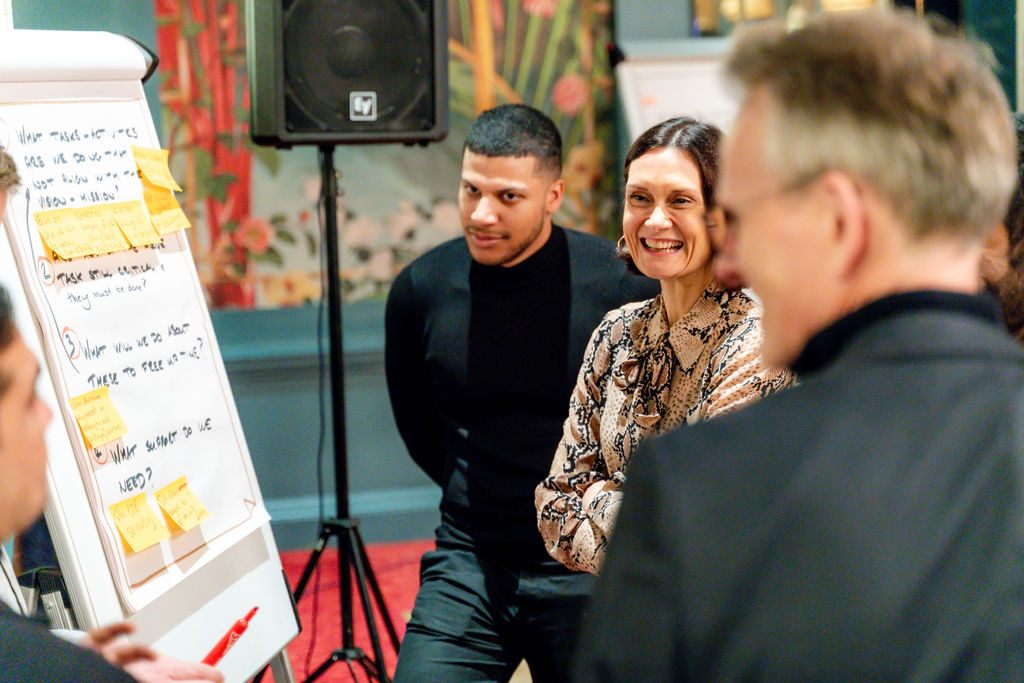
The second principle of Brain-Friendly Learning is all about relevance.
If we want learning to stick, it must feel real, practical, and directly connected to the learner’s world. That means cutting out abstract games and generic case studies, and replacing them with activities grounded in real-life situations.
There are two key benefits to this approach:
i. Learners can apply the learning immediately; there’s no need to translate theory into practice.
ii. Relevance boosts motivation; people focus more when they can see how the session helps them solve real problems.
L&D Workshop Planning – What can you do differently?
Start with a strong Set-Up. Ask learners to bring a current challenge, reflect on a recent experience, or complete a short pre-work task. This gets them thinking before they arrive.
Then plan your Set-Down; what happens after the session to embed learning. This might include a short summary email, an action plan, or a prompt for a follow-up conversation with their manager. Involving line managers is especially powerful and often overlooked—research shows their support is key to long-term learning transfer.
Try this:
- Swap out generic examples for real workplace scenarios.
- Use live challenges in breakout discussions.
- Give managers three follow-up questions to ask post-workshop.
Real learning comes from real context. When you keep it real, the impact speaks for itself.
Principle 3 – Facilitate Creation, Not Consumption
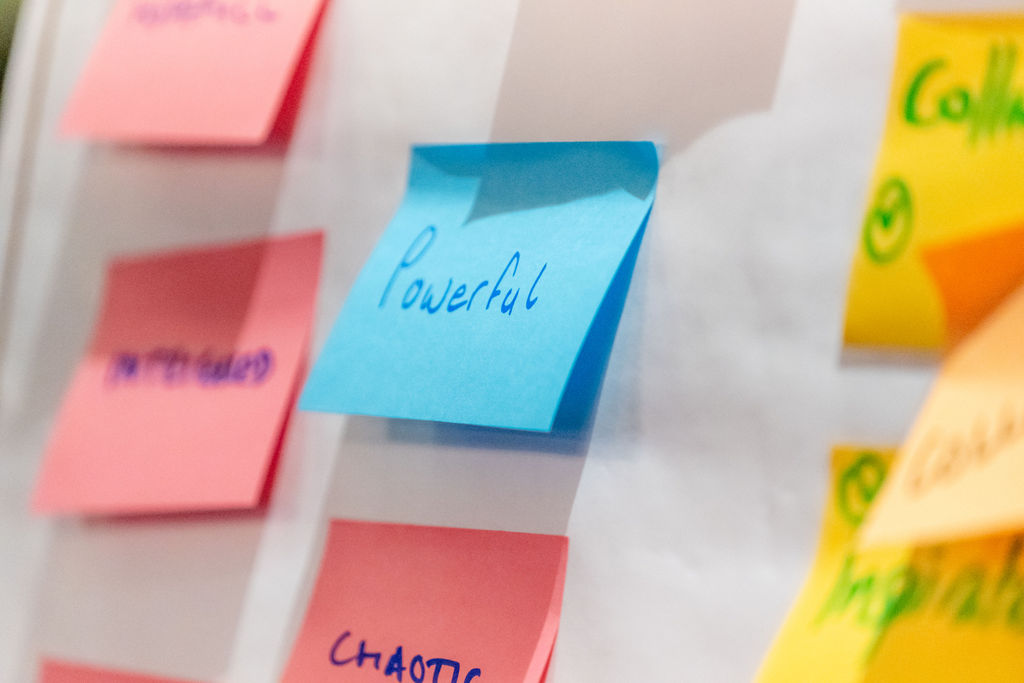
Brain-Friendly Learning isn’t about downloading information into people’s heads – it’s about helping them create their own understanding.
When learners actively make sense of new ideas, they connect them to what they already know. That’s when the real learning happens, not when they’re passively listening to a lecture or flicking through slides.
L&D Workshop Planning – What can you do differently?
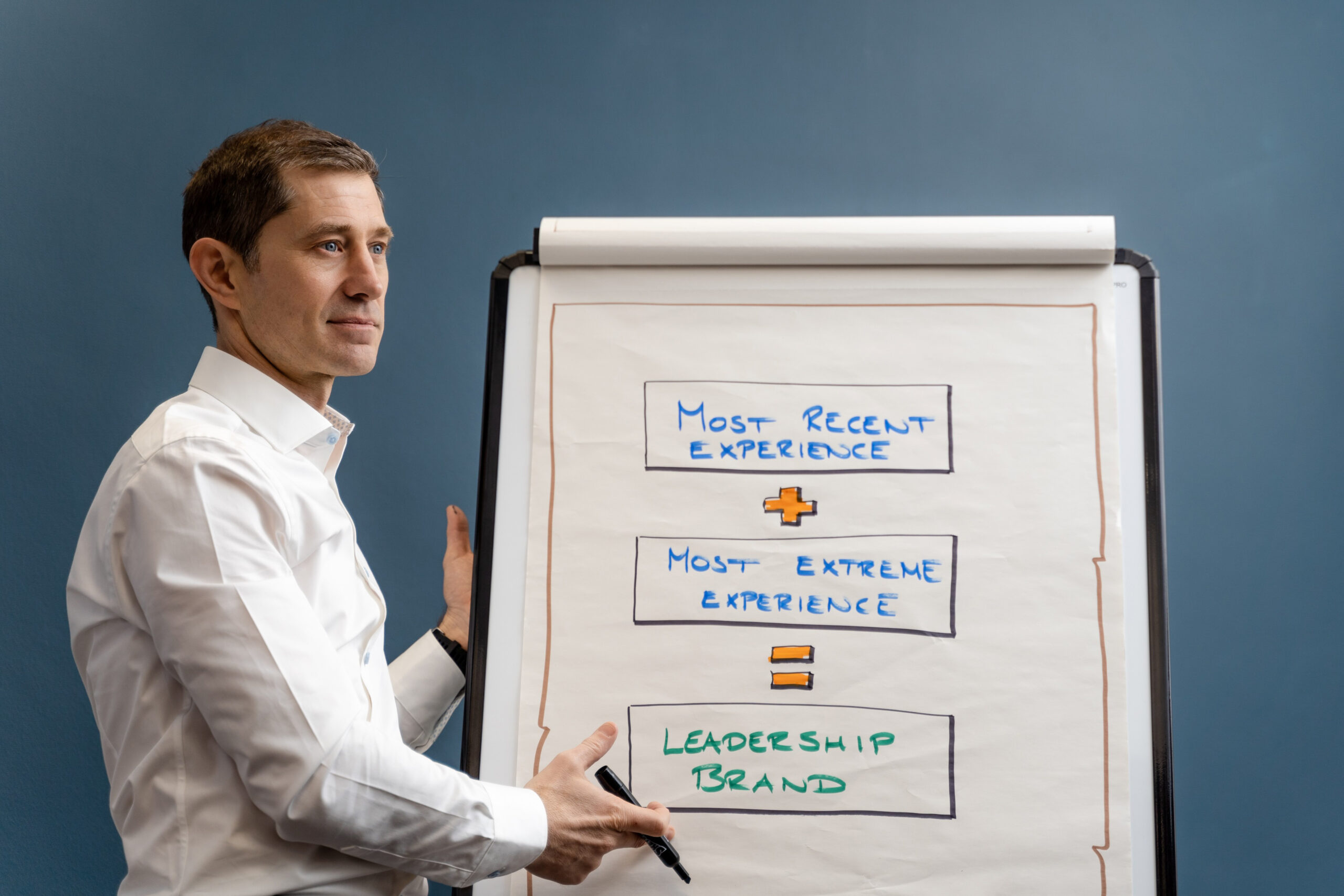
Design activities that put learners in the driver’s seat. Give them problems to solve, questions to explore, or opportunities to teach back what they’ve learned.
Your role as a facilitator is to guide, not to dominate. Great learning happens through conversation, collaboration and reflection, not consumption.
Try this:
- Use small group discussions to explore new concepts.
- Ask learners to apply a model to a real scenario and report back.
- Replace long presentations with short inputs followed by action.
The best facilitators don’t deliver learning, they create the space for it to happen.
Principle 4 – Make it Rich and Multi-Sensory
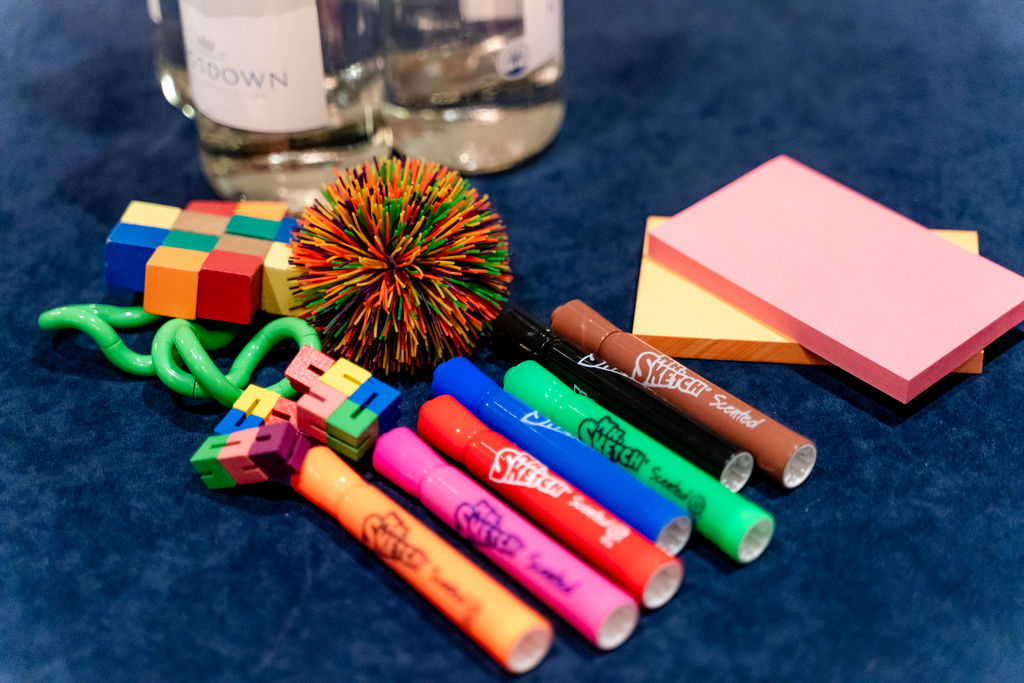
We learn best when more than one sense is engaged. That’s why Brain-Friendly Learning environments are multi-sensory, interactive, and full of variety.
Neuroscience tells us that the more connections we make – visual, auditory, emotional, physical – the stronger the learning. In short, neurons that fire together, wire together.
L&D Workshop Planning – What can you do differently?
Add texture to your sessions. Use visuals, props, movement, sound, and storytelling to deepen engagement and strengthen memory.
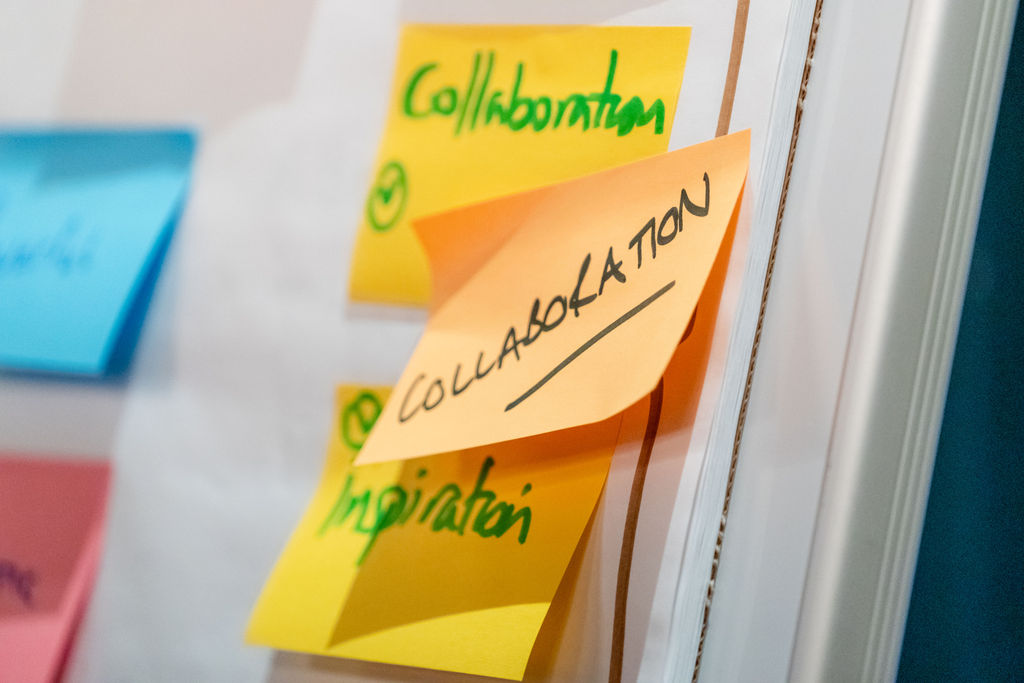
Even small touches make a difference. A post-it note on a wall, a story from someone’s experience, or a visual metaphor can bring a dry concept to life. You can see all of the kit and equipment that I use to create a ‘rich and multi-sensory’ environment in this blog.
Try this:
- Use metaphors from film or sport to explain complex ideas.
- Encourage learners to draw their understanding of a concept.
- Incorporate simple props or physical models to aid memory.
Rich, multi-sensory design makes learning memorable – and much more enjoyable.
Principle 5 – Honour Uniqueness
Every learner is different.
Some love structure, others need flexibility. Some process through talking, others through writing or doing.
Brain-Friendly Learning recognises and respects these differences and designs with them in mind. But it also helps people grow their learning styles, so they leave more adaptable than when they arrived.
L&D Workshop Planning – What can you do differently?
Design a blend of activities that appeal to different strengths – verbal, visual, interpersonal, and logical. And make space for learners to choose how they engage.
Rather than asking everyone to do the same thing in the same way, offer options and encourage experimentation.
Try this:
- Give learners a choice: journal individually or discuss with a partner.
- Use visuals and text when introducing key concepts.
- Mix structured tasks with open exploration.
When we honour uniqueness, we empower learners to bring their best and become even better.
Download the Workshop Facilitators Toolkit
I’ve pulled together all of these insights, plus more, into a 16-page toolkit for HR and L&D professionals who regularly run training events and workshops.
Download it for free, here: Workshop Facilitator Toolkit.
Summary
These five principles aren’t just theory; I use them every time I design and deliver leadership and management workshops.
Whether I’m working with emerging leaders or experienced execs, Brain-Friendly Learning helps me create sessions that are engaging, relevant, and designed for real behavioural change.
If you’re involved with L&D workshop planning and are looking to boost the impact of your programmes, try integrating these ideas into your next session. And if you’d like a sounding board or some help applying them, just get in touch here. I’d love to help.
Two things you can do to say thank you for this free resource
Subscribe to ”The Ben Morton Leadership Podcast“ on your preferred podcast platform to help us grow the show and bring you more fantastic interviews with senior leader
Connect with me on LinkedIn for regular leadership tips and insights. Be sure to add a personal note with the request.
Connect with Ben